
Silicon and Smoke: The Strait of Hormuz and the Future of AI Infrastructure
SUPPLY_CHAINGEOPOLITICS
Borja C.
3/2/20262 min read
The shadow war is over. In its place, the searing light of open conflict.
Operation Epic Fury has shattered the equilibrium of the Middle East. With the death of Iran’s Supreme Leader and the subsequent retaliatory bombardment of US and GCC bases, the Gulf skies are now threaded with ballistic fire. But while the world's eyes are fixated on the price of crude, a quieter, equally vital crisis is choking the engines of our digital future.
The physical hardware that powers the artificial intelligence revolution is caught in the crossfire.
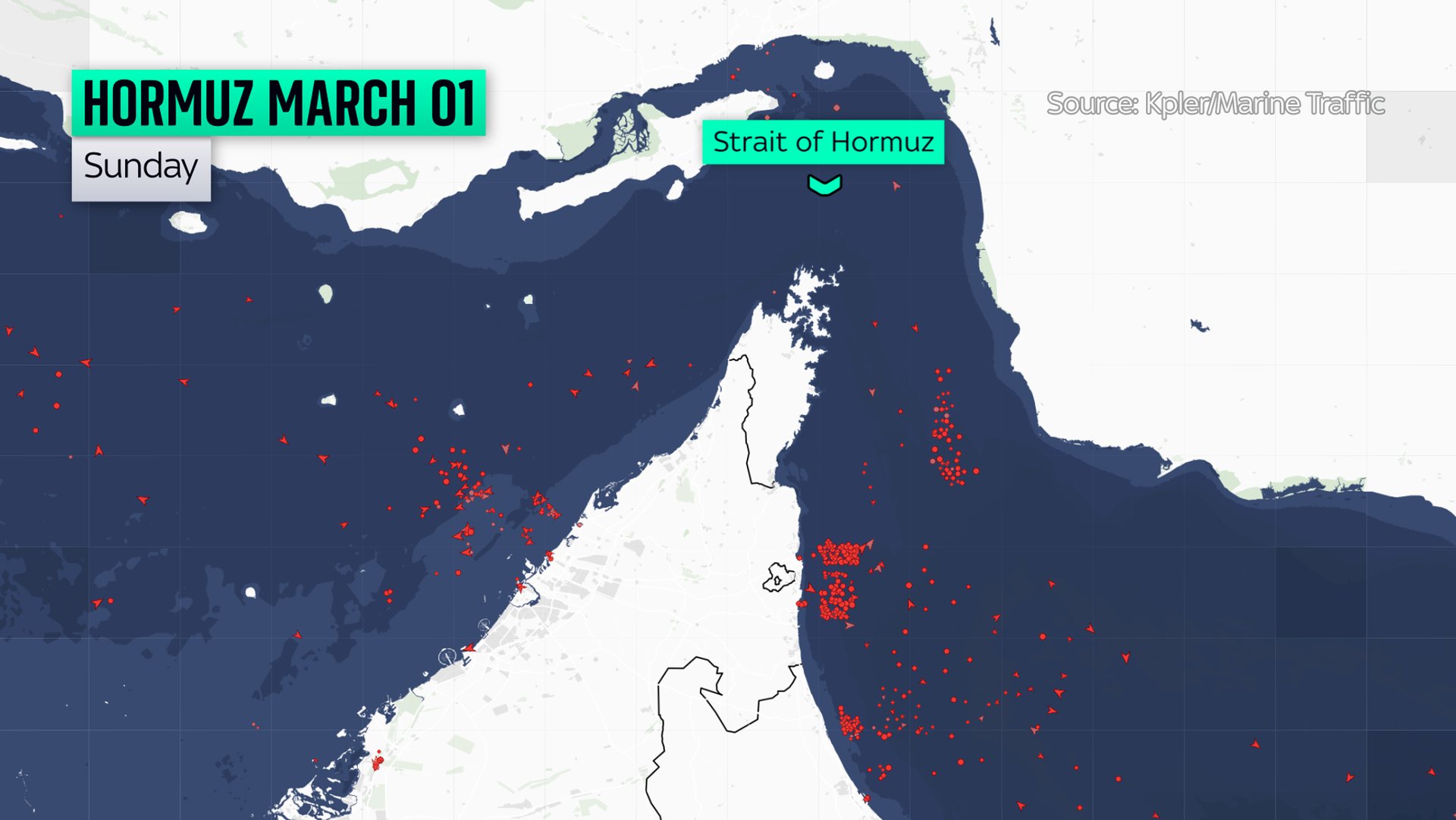
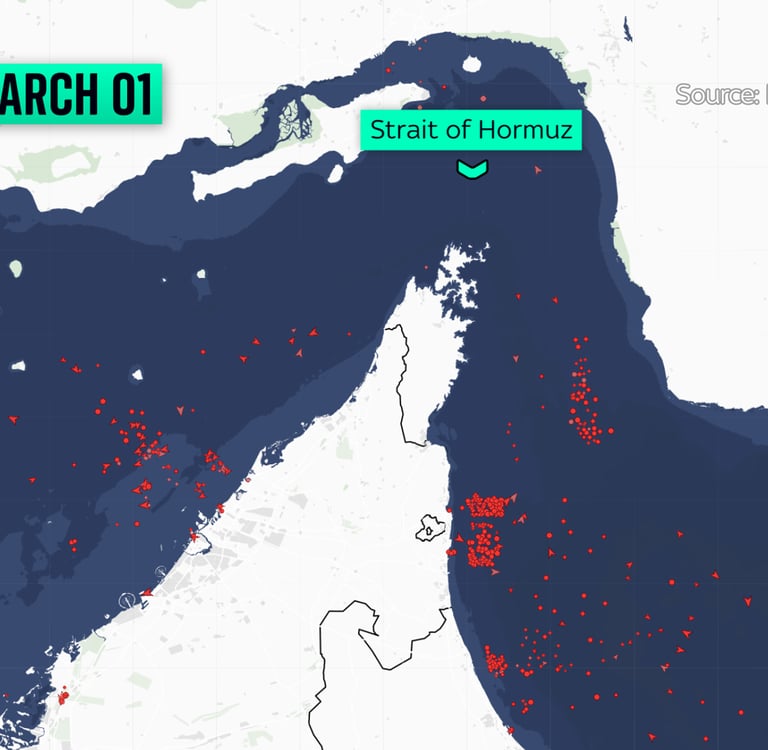
A silicon wafer is born of extreme heat and precision. It requires immense energy. It requires noble gases, neon, krypton, to power the lasers of EUV lithography. And fundamentally, it requires a functioning map of global logistics. Right now, that map is burning. With over 150 tankers anchored and the Strait of Hormuz virtually paralyzed by military action and vanishing insurance coverage, the "just-in-time" supply chain is dead.
When the oceans freeze, the sky must carry the burden. But as airspace closures ripple across the Middle East, the air freight costs required to move high-value AI servers, optical transceivers, and data center racks from Asia to the West are skyrocketing.
The digital realm relies on a fragile, physical foundation. Here is how the coming weeks will dictate the cost and availability of data center infrastructure:
The Baseline Scenario: The Long Attrition.
MOST_LIKELY_SCENARIO
The conflict remains contained but chronically disruptive. The Strait is a no-go zone for commercial transit. Global shipping lines are forced into the brutal mathematics of the Cape of Good Hope detour. You add twenty days to transit. You multiply marine insurance premiums by ten. For hardware integrators, this introduces a grinding margin compression. Specialized AI equipment doesn't vanish, but localized shortages spike, and the cost of building out hyperscale data centers creeps relentlessly upward as logistics devour profit margins.
The Pessimistic Scenario: The Shattered Chain.
The Strait is mined. Unrestricted maritime warfare takes hold. A catastrophic energy shock removes 10 million barrels a day from the global market, triggering immediate stagflation. The energy-intensive process of refining noble gases for semiconductor fabs becomes prohibitively expensive. The Asian-Western freight corridor completely fractures. We move from logistical delays to acute, systemic shortages. Data center equipment prices go parabolic, and the global AI infrastructure buildout is delayed not by months, but by years.
The Optimistic Scenario: The Swift Dawn
The decapitation strike fundamentally breaks the regime's capacity to wage prolonged war. Internal fracturing leads to a rapid, transitional diplomatic reset. The Strait of Hormuz is explicitly guaranteed and cleared for transit. The geopolitical risk premium evaporates as violently as it arrived. The supply chain heals, air freight normalizes, and data center hardware costs rapidly mean-revert to their pre-war baselines.
The AI revolution is a secular titan, but gravity still applies. We are learning, in real-time, that the cloud is tethered to the earth by very vulnerable threads of steel, sea, and silicon.
We need to brace for "interesting times".
Contact
Reach out for AI solutions today
Subscribe
info@computelabtech.com
Corporate Email
© 2026. All rights reserved.